






















































5 Must Know Things about Guitar Pedals for Beginners

1. Power supplies are not included with pedals
When it comes to purchasing guitar pedals, it's important to keep in mind that power supplies are not typically included with the pedals themselves. This is because there are many different types of power supplies on the market, and each pedal may require a specific type and voltage. As a result, it's important to do your research ahead of time and make sure you have the correct power supply for your pedals, as well as enough outlets for all of your pedals. In addition, it's a good idea to invest in a high-quality power supply to ensure that your pedals are getting the power they need to function properly and produce the sound you're looking for. So, don't forget to factor in the cost of a power supply when planning your pedal setup, and you'll be sure to have a great sounding rig that's ready to play.
2. The arrangement of your pedals is important
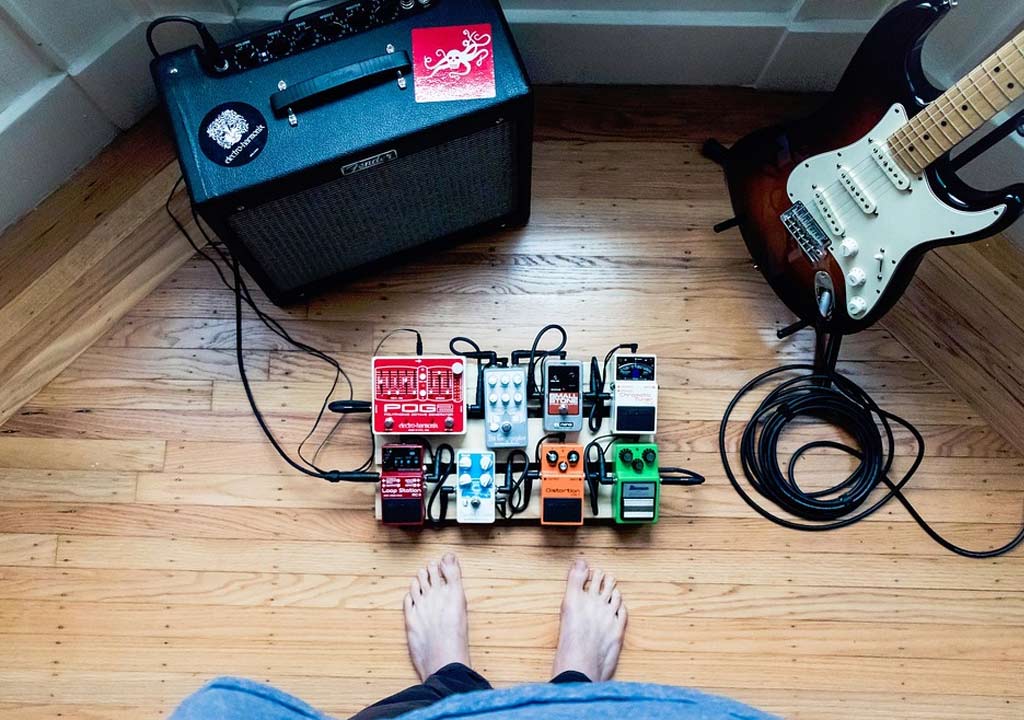
The arrangement of your pedals plays a critical role in your overall tone and sound quality. The order in which you place your pedals affects the signal chain and can greatly impact the tone you hear. It is important to consider the specific order of your pedals to ensure that each effect is working optimally and to avoid any unwanted noise or tone loss. For example, placing a wah pedal before a distortion pedal can have a different effect than placing it after. By experimenting with different configurations, you can find the perfect arrangement to suit your individual playing style and sound preferences. Whether you’re a beginner or a seasoned player, taking the time to consider your pedal arrangement can greatly enhance your playing experience.
3. You need extra cables
Having the right cables for your guitar pedals is just as important as the pedals themselves. When purchasing a guitar pedal, it is important to keep in mind that it may not come with the necessary cables to connect to your amplifier or other pedals. Extra cables, such as instrument cables and patch cables, are essential for a smooth setup and signal flow in your pedalboard. Neglecting to purchase these additional cables can lead to subpar sound quality or even a complete signal loss. Take the time to evaluate your current setup and make sure you have the necessary cables to fully utilize your new guitar pedals.
4. Stepping on a pedal isn’t as easy as it looks
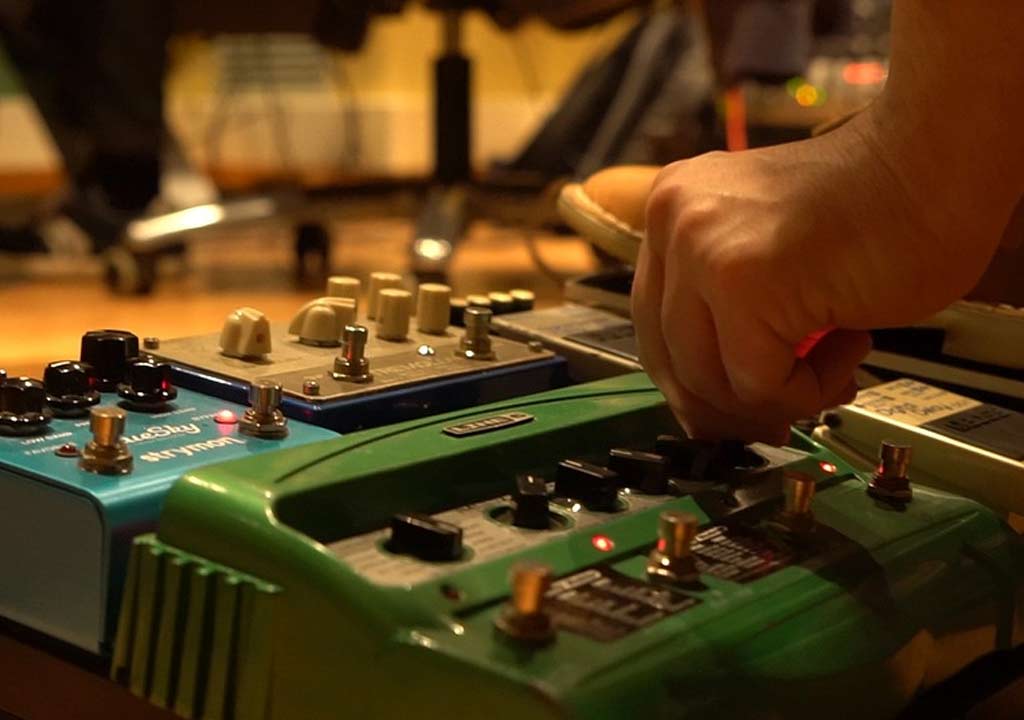
Stepping on a guitar pedal can be a bit tricky for beginner guitarists. While it may seem like a simple task, there is more to it than meets the eye. The way you place your foot on the pedal, the amount of pressure you apply, and the timing of the stomp can all have a significant impact on the sound that is produced. It takes practice and experimentation to get it just right, and even experienced players sometimes have trouble getting their pedals to behave the way they want. In order to master the art of using guitar pedals, it's important to understand the basic principles of how they work and to experiment with different techniques until you find what works best for you.
5. Pedal boards are a musician's indispensable ally
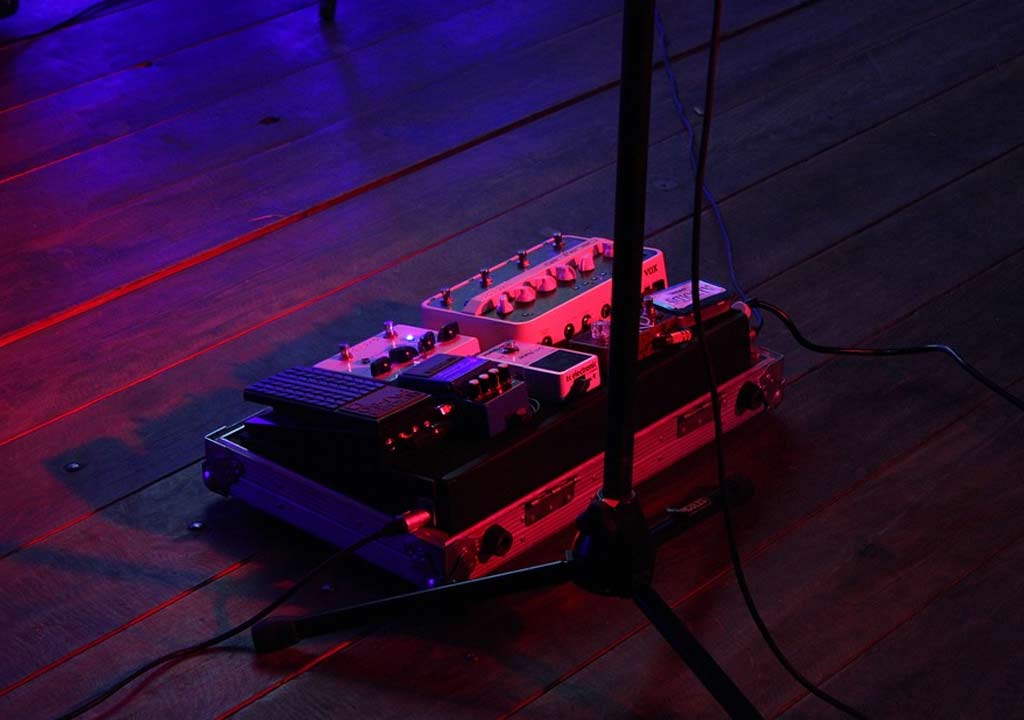
Pedal boards are a crucial component for guitarists and other musicians who use multiple pedals in their setup. Not only do they provide a convenient way to arrange and organize your pedals, but they also simplify the process of setting up and tearing down your gear. Whether you're a touring musician or just someone who enjoys jamming at home, a pedal board will streamline your setup and ensure that you can focus on what really matters - making music. With a variety of sizes, materials, and configurations available, there's a pedal board out there that will fit your specific needs and help you achieve your desired tone. So, if you're looking to take your guitar or other instrument setup to the next level, consider investing in a quality pedal board and make it your indispensable ally in your musical journey.
LIKED THIS ARTICLE? SHARE IT: