











































Reverb Guitar Pedals

Reverb Guitar Pedals: Exploring the Soundscape
As guitar players, we all have a unique style that sets us apart from others. However, no matter what kind of guitarist you are, one thing that every player can benefit from is the use of a reverb pedal. Reverb is an essential effect that adds depth, space, and dimension to your sound, creating a sonic landscape that is both lush and natural. Whether you're playing a lead riff, strumming a chord, or creating a dreamy soundscape, a reverb pedal can help you achieve the tone you're looking for.
What is a Reverb Pedal?
A reverb pedal is an effects pedal that is designed to add reverb to your guitar signal. Reverb is an auditory illusion that simulates the natural echo that occurs in a physical space. The idea behind reverb pedals is to recreate this echo effect in real-time, giving you the ability to control the level of reverb in your sound. Reverb pedals come in many different shapes and sizes, but the basic concept is always the same: to add depth and space to your guitar tone.
Settings of a Reverb Pedal
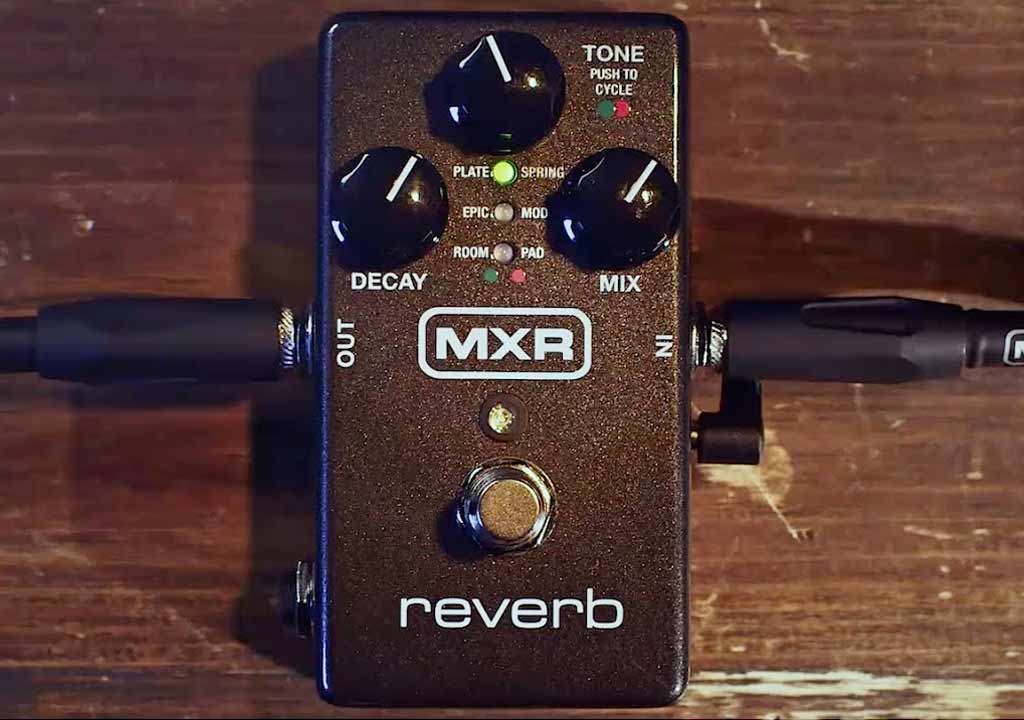
Most reverb pedals come with a range of settings that allow you to customize the reverb effect to your liking. Some of the most common settings include:
-
Decay: This controls the length of time that the reverb lasts. A longer decay will result in a more sustained reverb, while a shorter decay will give you a quick, snappy echo.
-
Tone: This controls the brightness of the reverb effect. Turning the tone up will result in a brighter, more shimmering reverb, while turning it down will give you a darker, more muted sound.
-
Mix: This controls the balance between the dry, unprocessed sound of your guitar and the reverb effect. Turning the mix up will result in more reverb, while turning it down will result in less.
-
Type: This allows you to select different types of reverb, such as spring, hall, room, and plate. Each type of reverb has its own unique character, so experiment with different settings to find the one that works best for you.
Most Popular Reverb Pedals on the Market
There is a vast variety of reverb pedals available on the market today. Here are a few of the most popular reverb pedals:
- Strymon BigSky: This high-end reverb pedal offers 12 different reverb types and extensive editing options.
- Electro-Harmonix Holy Grail: This classic reverb pedal offers three reverb modes: Spring, Hall, and Flerb.
- Boss RV-6: This compact pedal offers eight different reverb modes, including Hall, Room, Plate, and more.
Famous Guitarists Known for Their Use of Reverb Pedals
Reverb is a staple effect in guitar music, and many famous guitarists have relied on reverb pedals to enhance their sound. Here are a few of the most famous:
- David Gilmour: The Pink Floyd guitarist is known for his lush and atmospheric solos, which are often drenched in reverb.
- Johnny Marr: The Smiths guitarist uses reverb to create a dreamy and atmospheric sound.
- Jeff Buckley: The late singer-songwriter used reverb to add depth and emotion to his powerful voice.
In conclusion, reverb pedals are an essential tool for guitar players looking to enhance their sound and add depth and dimension to their playing. With a wide range of options available, there is a reverb pedal to suit every style and budget. Whether you're looking to add a subtle touch of ambience or create a sprawling soundscape, a reverb pedal is a valuable addition to any guitarist's pedalboard.
LIKED THIS ARTICLE? SHARE IT: